 blog
Drain Cleaning vs Drain Snaking: Which Method Works?
Table of Contents
- Drain Cleaning vs Drain Snaking: The Core Difference
- Manual Hand Snake vs Motorized Snake: Which Fits Your Clog
- Chemical Drain Cleaner Safety: Why Caustic Chemicals Can Cost You More
- Drain Snake Cost vs Professional Drain Cleaning
- Signs of a Main Sewer Line Clog You Should Never Ignore
- A Step-by-Step Safety Protocol for DIY Drain Snaking
- When to Call a Professional Plumber
- Frequently Asked Questions
Last Updated: October 21, 2026
Drain Cleaning vs Drain Snaking: The Core Difference
Drain cleaning and drain snaking are not the same job, and choosing the wrong one can turn a slow sink into a burst pipe. Drain cleaning is the broad category: clearing an entire drain line of buildup using mechanical tools, water pressure, or enzymes.
At Farm Finger's, we have handled residential plumbing calls for 12 years, and the pattern is consistent: homeowners reach for a snake when they should be thinking about the whole drain line, or pour in a chemical cleaner when a five-minute cable job would have solved it.
What a Drain Snake Actually Does
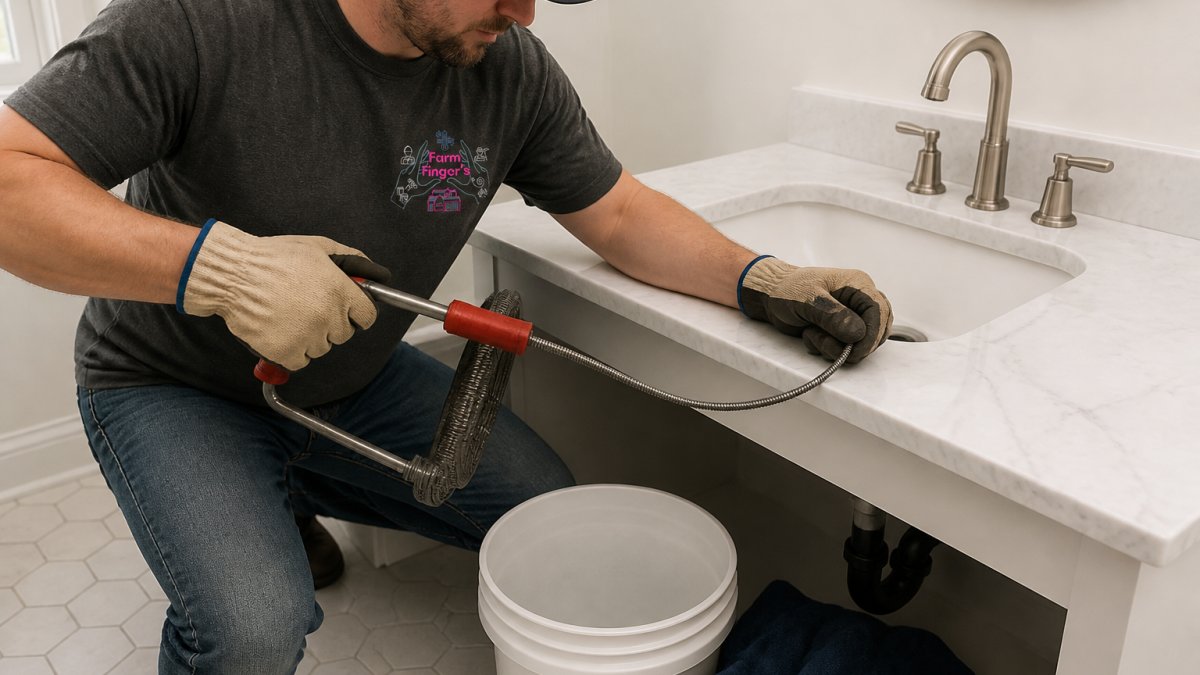
A drain snake, also called a plumbing snake or mechanical auger, is a flexible steel cable fed into a drain line to reach and break up a blockage. Manual hand snakes work well for hair clogs and short runs in a bathroom sink.
The tool does one thing: it clears the path. It does not scrub the pipe walls or remove grease buildup or scale that has narrowed the line over time.
What Drain Cleaning Covers That Snaking Doesn't
Drain cleaning treats the entire drainage system, not just the point of blockage. It includes snaking, but also enzyme treatments that digest organic buildup, and high-pressure water methods that scour pipe walls clean.
Snaking punches a hole through an obstruction. Cleaning removes the conditions that created it. If your slow-draining sink keeps coming back every few months, you have a buildup problem, not a blockage problem, and snaking alone will keep you on a repair treadmill.
Manual Hand Snake vs Motorized Snake: Which Fits Your Clog
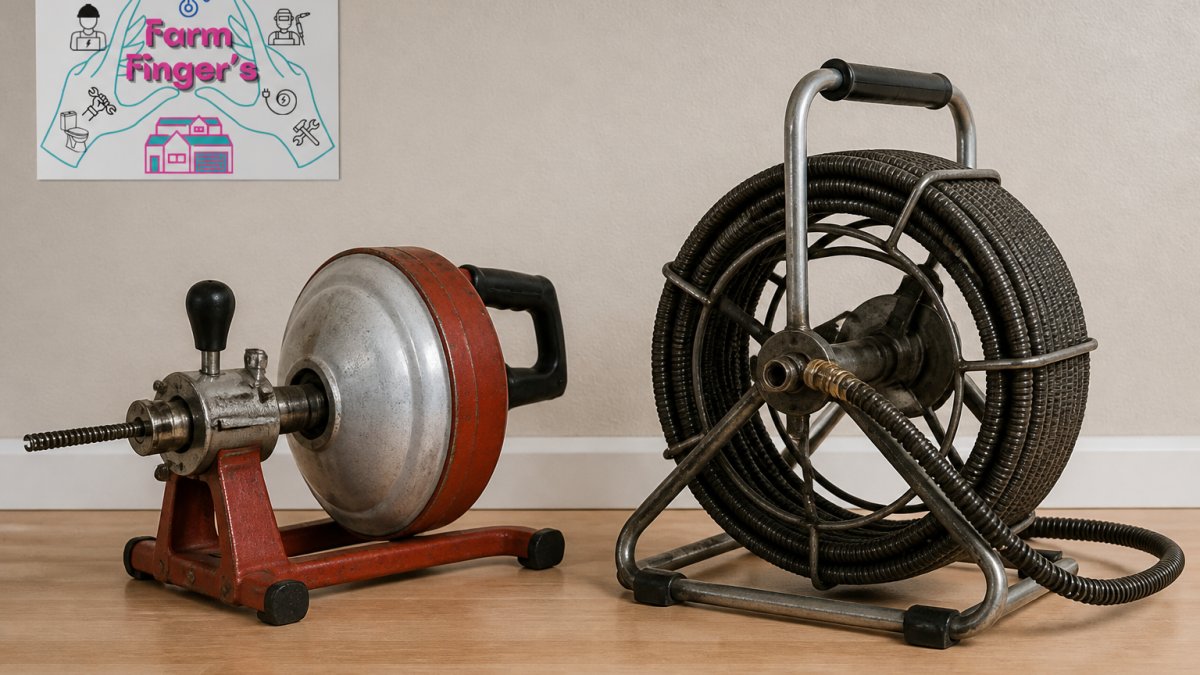
Manual hand snakes suit short, simple clogs close to the fixture. Motorized snakes fit longer runs, main drain lines, and obstructions that resist hand pressure. The difference is not just power, it is cable gauge, drum capacity, and how the tool behaves at a hard stop.
Here is how the two compare in practice:
| Feature | Manual Hand Snake | Motorized Snake |
|---|---|---|
| Best for | Sink and tub hair clogs | Main drain line, sewer line clogs |
| Typical cable diameter | 1/4 inch to 5/16 inch | 3/8 inch to 1/2 inch, with sectional cables larger |
| Drum capacity | 15 to 25 feet | 25 to 50 feet on drum machines; sectional cables run longer |
| Reach | Short runs, close to fixture | Long runs, deeper into the drain line |
| Pipe diameter | 1-1/4 inch to 2 inch fixture drains | 2 inch to 4 inch branch and main lines |
| Effort | Hand-cranked, slower | Powered feed, faster on tough clogs |
| Risk level | Low, easy to control | Higher, can damage pipe if misused |
| Skill needed | Beginner-friendly | Better with experience |
Why Cable Gauge Matters More Than Motor Size
A 1/4-inch cable is flexible enough to negotiate the tight bends of a P-trap and a 1-1/2-inch fixture drain. A 3/8-inch or 1/2-inch cable is stiffer, which is what you want in a 3-inch or 4-inch main line, but it is the wrong tool for a bathroom sink.
The practical rule most plumbers follow: match the cable to the drain, not the clog to the motor. If the cable will not turn freely by hand at the trap, it is too big for that line.
Manual Snake: Where It Wins and Where It Stalls
A hand snake is the right first tool for a hair clog in a sink or tub, a pop-up assembly, or a short trap arm.
It stalls in three places: past about 25 feet, at a hard 90-degree fitting, and against a grease or scale blockage that has narrowed the whole line. In those cases the cable just coils in the drum and the clog does not move.
Motorized Snake: Power You Have to Respect
A motorized drum machine or sectional snake spins the cable under power, which lets it break through a soap-and-grease blockage or a root mass in a main line.
A common pattern with rented motorized snakes is a homeowner who feeds the cable too fast, hits a fitting, and kinks the cable or cracks a trap. The machine is not the problem; the feed rate is.
How to Choose in Under a Minute
- One fixture, close to the trap, hair or soap clog: manual hand snake.
- One fixture, clog past the trap arm, still a branch line: manual snake with a longer drum, or a small motorized unit.
- Multiple fixtures slow, gurgling, or a main-line cleanout involved: motorized snake or a professional assessment, not a hand tool.
A common mistake is buying a motorized snake for a bathroom sink. The cable is too stiff for a small trap, and the power works against you.
Chemical Drain Cleaner Safety: Why Caustic Chemicals Can Cost You More
Chemical drain cleaners carry real risk to both the person using them and the pipe carrying the waste. Caustic chemicals generate heat as they react, and that heat is what damages older pipe joints and soft materials.
The bigger problem is what happens after. A chemical cleaner that fails leaves a pipe full of caustic liquid, and anyone who snakes that drain afterward is working around a chemical hazard where splashback can cause serious burns.
Pipe Material Compatibility Risks
Not every drain line tolerates the same treatment. Older metal pipes with corrosion and thin walls are vulnerable to both caustic chemicals and aggressive snaking. Plastic pipe handles a cable well but can soften under chemical reaction heat.
Before you choose a method, know what your drain line is made of. If you cannot identify it, that is a signal to stop and get an assessment rather than guess.
Drain Snake Cost vs Professional Drain Cleaning
Drain snake cost is low on the DIY side and variable on the professional side. A manual hand snake is an inexpensive one-time purchase, and a motorized rental adds a modest daily fee.
The five-year view is where the math changes, and it is the part most comparisons skip. A cheap snake that clears the same clog four times a year costs hours and repeated frustration; one proper cleaning that removes the buildup behind the clog usually ends the cycle.
| Approach | Upfront Cost | Repeat Risk | Best For |
|---|---|---|---|
| Manual hand snake | Low, one-time purchase | High if buildup remains | Simple fixture clogs |
| Motorized snake rental | Modest daily fee | Medium | Deeper single obstructions |
| Chemical cleaner | Low per bottle | High, and recurring | Not recommended for repeat use |
| Professional drain cleaning | Quote after assessment | Low when done properly | Recurring clogs, main line issues |
The Five-Year Math Nobody Runs
A single bottle of chemical cleaner is cheap, the problem is that it is cheap every time.
A manual hand snake flips that math. One purchase, reused for every fixture clog in the house, with no consumable cost. The catch is labor: you spend the time, and you only clear the blockage, not the buildup.
Professional cleaning is the highest single cost and the lowest repeat cost when the diagnosis is right.
What Actually Drives the Professional Quote
Professional drain cleaning pricing is not a flat rate because the job is not flat. The variables that move the number are:
- Clog location. A fixture trap is quick. A main-line clog past the cleanout takes longer and more cable.
- Pipe access. A cleanout at the wall is fast. A drain with no cleanout means pulling a fixture or opening a trap, which adds labor.
- Pipe material and condition. Corroded cast iron or a line with known root intrusion needs a slower, more careful approach, and often a camera inspection first.
That is why we quote after we see the line. A phone estimate on a drain nobody has looked at is a guess, and guesses are how homeowners end up surprised by the invoice.
The Hidden Cost of Getting It Wrong
If you are weighing a rental against a service call, factor in the damage risk. A misused motorized snake against a corroded pipe can turn a clog removal into a pipe repair, the expensive outcome nobody budgets for.
The cheapest option on paper is the most expensive when it damages the line. The five-year math only favors DIY if the DIY does not cause a repair.
Signs of a Main Sewer Line Clog You Should Never Ignore
Signs of a main sewer line clog include multiple fixtures draining slowly at once, gurgling sounds from drains when you run water elsewhere, and sewage odors in the basement or yard.
Watch for these specific signals:
- Two or more drains backing up at the same time
- Water rising in a floor drain when you run the washing machine
- Gurgling from a plumbing fixture you are not using
A single slow sink is a fixture problem. Multiple slow fixtures point to a shared drain line or the main sewer line, and that is not a hand snake job.
A Step-by-Step Safety Protocol for DIY Drain Snaking
Follow this sequence before you feed a cable into any drain:
- Identify the pipe material. Metal, plastic, or cast iron changes how much force is safe.
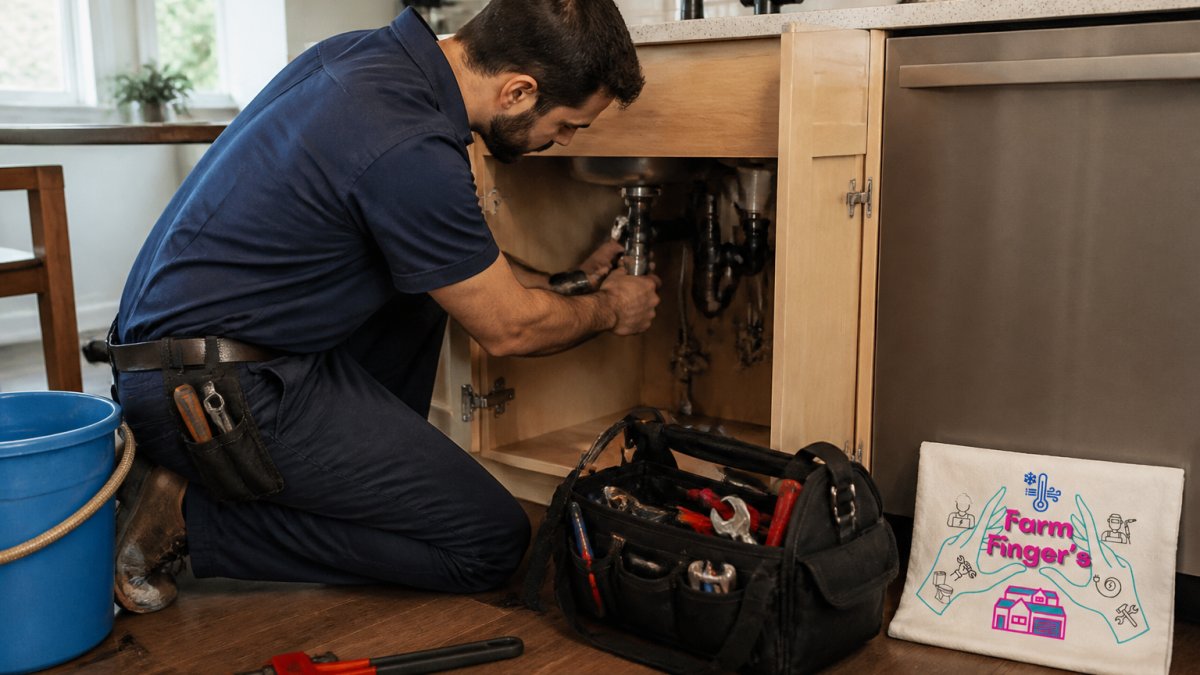
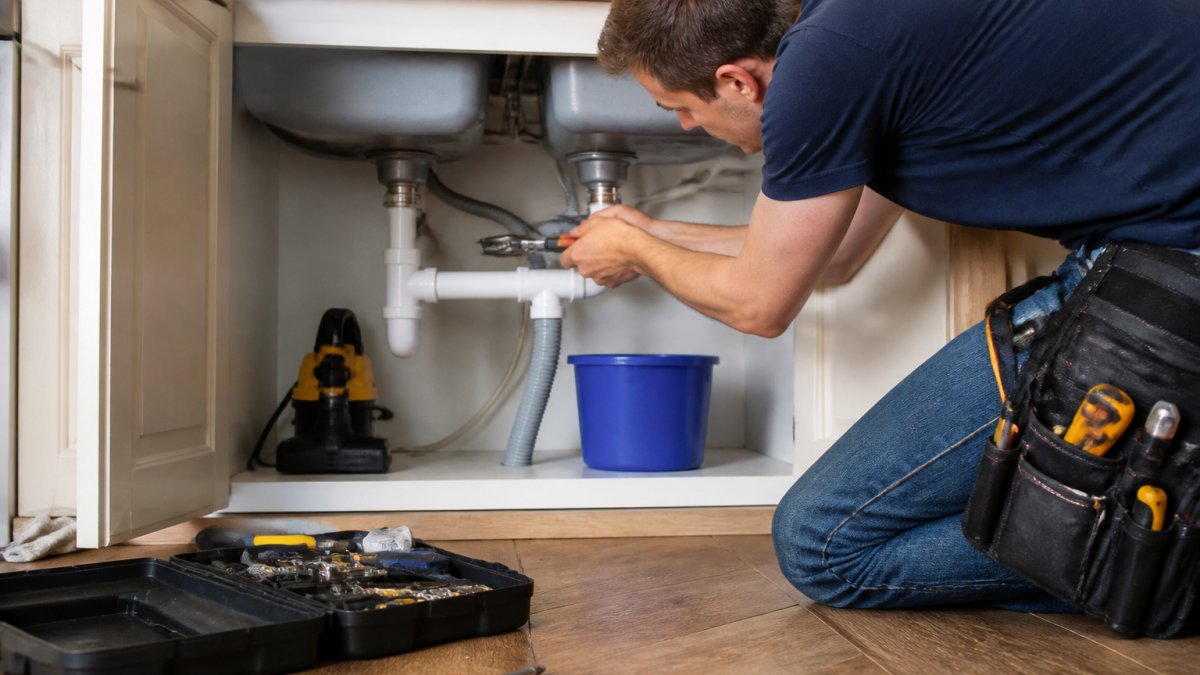
- Clear the area. Bucket under the trap, towel down, and nothing electrical within splash range.
- Put on gloves and eye protection. Drain water is unsanitary and splashback is the main injury risk.
- Remove the trap or open the cleanout. Never force a cable through a trap you have not checked.
- Feed slowly and stop at resistance. Forcing past a hard stop is how pipe damage happens.
- Pull the cable out slowly. Let it drain into the bucket rather than flicking debris across the room.
- Flush with hot water and test flow. If it drains slowly again, the obstruction is not fully cleared.
If you have already used a chemical cleaner, do not start this protocol. Call a professional instead, and tell them what was poured in and when.
When to Call a Professional Plumber
Call a professional when the clog returns, when multiple fixtures are affected, or when you cannot identify the pipe material.
The Consumer Product Safety Commission's guidance on home repair hazards is worth a read before any DIY plumbing work, particularly on chemical exposure and tool injury.
At Farm Finger's, we handle plumbing alongside the rest of the house, so a slow drain does not become a separate service call from the leaking faucet two feet away.
A clog that keeps coming back is telling you something about the drain line, not about your snaking technique.
Frequently Asked Questions
What is the difference between drain cleaning and drain snaking?
Drain snaking is a mechanical method that feeds a cable or auger into the drain line to break up or pull out a single obstruction, such as a hair clog or grease buildup. Drain cleaning is the broader job: it can include snaking, but also covers inspecting the pipe, clearing multiple sections of the drainage system, and flushing debris so the line stays open. Snaking targets the clog you can reach; drain cleaning addresses the condition of the whole line.
Is chemical drain cleaner or a drain snake better for pipes?
For most household clogs, a drain snake is the safer choice. Caustic chemicals sit in the pipe and can generate heat as they react, which risks pipe damage in older or thin-walled plumbing and rarely clears a solid obstruction. A plumbing snake physically removes the blockage. Chemical drain cleaner safety matters most in homes with older pipes, where repeated use can weaken joints and lead to a bigger repair.
How much does drain snaking cost compared with hiring a pro?
A manual hand snake for DIY use is a modest one-time purchase, while a motorized snake costs considerably more and is usually rented rather than bought. Professional drain cleaning pricing depends on the clog location, pipe access, and whether a camera inspection is needed, so ask for a written quote before work starts. A failed DIY attempt that damages a fixture often costs more than calling a pro first.
When should you call a professional for drain issues?
Call a professional when multiple fixtures drain slowly at once, when water backs up into a tub or floor drain, when you smell sewage, or when a manual snake won't reach the blockage. Those are common signs of a main sewer line clog rather than a simple sink obstruction. A pro can run a camera down the line to find root intrusion, pipe corrosion, or a collapsed section that snaking alone won't fix.