 how-to
How to Save on Home Repairs: A Practical Guide
Table of Contents
- How Much to Save for Home Repairs
- Factors That Affect Your Home Repair Costs
- Prioritizing Home Repairs When Funds Are Limited
- DIY vs. Hiring a Contractor: Making the Right Choice
- Ways to Lower Home Repair Costs
- Building and Protecting Your Home Repair Emergency Fund
- Frequently Asked Questions
Last Updated: October 18, 2026
How Much to Save for Home Repairs
Most homeowners underestimate what to set aside for maintenance and repairs, and unexpected repairs can drain savings fast.
The fix is a concrete budget based on a percentage of your home's value or purchase price.
The 1% to 4% Rule Explained
The 1% to 4% rule is the foundation for how much to save on home repairs: set aside 1% to 4% of your home's value annually.
A newer home in good shape might need only 1%; an older home or one with existing issues might require 3% to 4%.
A $300,000 home at 2% means $6,000 per year, not spent every year on big projects, but your safety net.
Calculating Your Monthly or Annual Repair Budget
Divide your annual target by twelve to make it manageable.
The $6,000 example becomes $500 per month, automated into a dedicated savings account.
If monthly feels tight, start smaller, even $300 per month builds a solid foundation. Consistency is key.
Track actual spending and adjust after six months based on real data.
Factors That Affect Your Home Repair Costs
Several factors change what you should set aside.
Home Age and Condition
Older homes demand more attention: roofing, plumbing, HVAC, and electrical components all have lifespans.
A 1980 home faces different needs than a 2020 one, older homes often need roof replacement, foundation work, or electrical updates.
Condition matters as much as age: a well-maintained older home might need fewer repairs than a neglected newer one, and preventive maintenance extends system life and reduces emergency costs.
If you're buying an older home, get a professional inspection first so you know what repair costs to expect.
Home Size and System Complexity
Larger homes have more systems to maintain, more roofing, plumbing, and HVAC coverage, each costing money to repair.
A 2,000 square foot home typically needs more maintenance than a 1,200 square foot one, so budget accordingly.
Custom features and high-end systems also raise costs: radiant floor heating, smart home automation, or specialized HVAC may need specialized technicians.
Simple, standard construction is cheaper to maintain; complex homes need higher contingency reserves.
Prioritizing Home Repairs When Funds Are Limited
When the repair list is longer than the fund, the question is which repair you can safely defer and which will cost more if you wait. A triage framework turns a pile of problems into a ranked plan.
A Safety-First Triage Framework
Sort every known repair into one of four tiers before spending a dollar.
Tier 3, Function and efficiency. A failing appliance, worn HVAC blower, running toilet, or sticking garage door affects daily life and energy bills but rarely causes cascading damage. Schedule these once Tier 1 and Tier 2 items are handled or funded.
Tier 4, Cosmetic and optional. Paint, landscaping, fixture upgrades, and aesthetic updates wait until the fund is healthy and the higher tiers are clear.
Decision Rules for Tight Budgets
- Fix water first. Water damage is the most common path from a small repair to a large one. Any active or potential water intrusion outranks cosmetic work.
- Cap the deferral. If a Tier 2 item has been on your list more than 60 days, put a date on it. Deferred maintenance compounds.
- Don't rob Tier 1 to fund Tier 4. A cosmetic project that drains the fund leaves you exposed when the water heater fails.
- Use a temporary patch when appropriate. A qualified contractor can sometimes perform a safe, short-term stabilization (a roof patch, a shut-off valve replacement) that buys time until the full repair is funded. Ask for a "stop-gap" option and confirm it's safe to defer the rest.
- Get a professional assessment when unsure. One inspection fee is cheaper than guessing wrong on a structural or electrical issue.
When to Repair vs. Replace
The repair-versus-replace decision changes the priority math. If a repair costs more than half a new unit and the system is past its service life, replacement often wins on total cost. Benchmarks: asphalt shingle roofs around 20-25 years, water heaters 8-12 years, HVAC systems 15-20 years with regular maintenance. Treat these as conversation starters, climate, usage, and maintenance history shift the number.
When funds are limited, the goal isn't to fix everything, it's to spend in the order that protects your safety, structure, and budget from the biggest downstream costs.
DIY vs. Hiring a Contractor: Making the Right Choice
Knowing which repairs you can handle yourself and which demand professional expertise saves money and prevents costly mistakes.
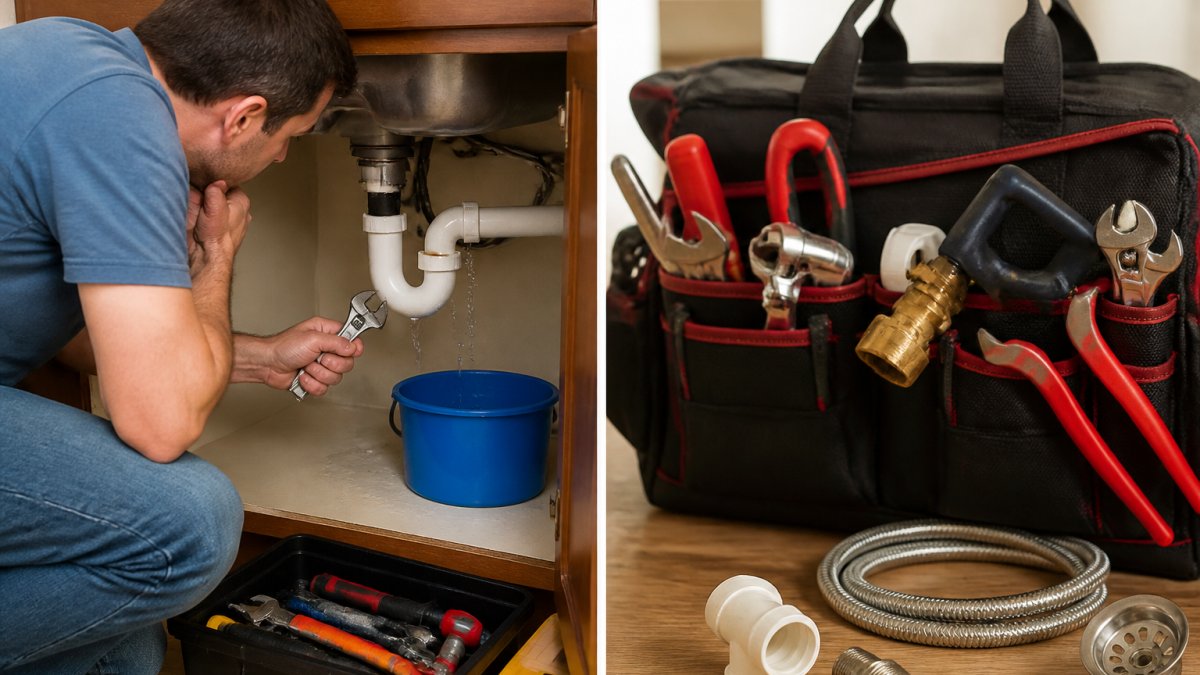
Simple repairs are DIY candidates: a leaky faucet, a toilet seat, drywall patches, or caulking gaps are manageable with basic tools.
Complex repairs need professionals.
Consider your skill level honestly.
Time matters too: a professional finishes in hours what might take you weekends, so hiring help often makes financial sense.
At Farm Finger's, we handle repairs that need professional attention.
Ways to Lower Home Repair Costs
Saving on repairs isn't only about setting money aside, it's about reducing what each repair costs before you pay. These strategies go beyond "get three quotes."
Anchor Your Expectations with Cost Ranges
Before you call anyone, know roughly what the job should cost so you can spot an outlier bid. These typical U.S. residential ranges vary by region, home age, and system size, treat them as a starting frame, not a quote.
| System / Repair | Typical Cost Range (USD) | Notes |
|---|---|---|
| HVAC filter change (DIY) | $10-$30 per filter | Every 1-3 months |
| Annual HVAC tune-up | $100-$250 | Catches problems early |
| Water heater replacement (tank) | $1,000-$2,500 installed | Higher for larger or high-efficiency units |
| Roof patch / minor repair | $300-$1,000 | Full replacement runs far higher |
| Asphalt shingle roof replacement | $6,000-$15,000+ | Depends on size, pitch, and layers |
| Gutter cleaning | $150-$400 | Twice yearly in many climates |
| Faucet or toilet repair | $150-$350 (pro) | Often a safe DIY job |
| Main line plumbing repair | $500-$3,000+ | Licensed plumber required |
| Electrical outlet/switch replacement | $150-$400 (pro) | Permits may apply |
| Exterior caulking and sealing | $200-$600 | Prevents water intrusion |
Use these ranges to sanity-check bids. A quote far below the low end deserves a second look at what's excluded; one far above deserves a second bid.
Compare Bids on Scope, Not Just Price
When you collect three quotes, compare them line by line. Ask each contractor: What's included in cleanup and disposal? Is the work warrantied, and for how long? Are permits pulled? Is the price fixed or an estimate? A bid that looks $300 cheaper often excludes debris hauling or permit fees the higher bid bundles in. The cheapest number is rarely the cheapest outcome.
Use Warranties, Insurance, and Rebates
- Manufacturer warranties. Major systems (HVAC, water heaters, appliances) often carry 5-10 year parts warranties. Before paying, check whether the failed component is still covered, labor is usually excluded, but parts coverage can cut the bill substantially.
- Home warranty plans. These contracts can reduce per-repair costs for covered systems, but read exclusions and per-visit fees carefully. They work best for older homes with multiple aging systems and are usually a poor fit for newer homes.
- Homeowners insurance. Standard policies typically cover sudden, accidental damage (a burst pipe, storm damage) but exclude maintenance and gradual deterioration. Know the difference before you file, frequent small claims can affect your premium.
- Utility and government rebates. Many utilities and state energy programs offer rebates for high-efficiency HVAC, water heaters, and insulation upgrades. Check your utility's website and state energy office before replacing a system; the rebate can meaningfully offset the cost.
Know Your Safe DIY Boundaries
DIY saves money only when done safely and correctly. A reasonable dividing line:
Generally safe for a careful homeowner: replacing HVAC filters, caulking gaps, patching small drywall holes, replacing a toilet seat or flapper, unclogging a sink trap, painting, and swapping a standard light fixture (breaker off).
Leave to a licensed professional: anything involving the electrical panel or new circuits, gas lines and appliances, main water or sewer lines, roof work above a single story, structural repairs, and HVAC refrigerant or compressor work. Mistakes here are dangerous and often cost more to correct than the original repair.
Bundle and Time Your Work
Bundling multiple repairs with one contractor can reduce total cost because mobilization and overhead spread across the job, but only bundle work that genuinely belongs together. Ask for a bundled quote and separate quotes for each item to see the actual discount.
Lowering repair costs is a stack of small decisions, knowing the going rate, comparing scope, using coverage you already pay for, and staying on the safe side of DIY, that together save more than any single tactic.
Building and Protecting Your Home Repair Emergency Fund
A repair fund only works if you use it for repairs and protect it from other temptations.
Where to Keep Your Repair Fund
A dedicated savings account is essential. Don't mix this money with your emergency fund or general savings. A separate account makes it harder to spend on non-repair items.
Consider a high-yield savings account: better rates than regular savings, and modest interest adds up over years.
Keep the account accessible. You need this money quickly in emergencies, so don't lock it in CDs or investments with withdrawal penalties.
Label the account clearly: "Home Repair Fund" reminds you of its purpose and reduces the temptation to dip into it.
Step-by-Step Plan to Start Saving Today
Step 1: Calculate your target amount. Use the 1% to 4% rule.
Step 3: Open a dedicated account. Choose a bank offering high-yield savings. Set it up today.
Step 5: Track your spending. Record every repair, routine and emergency.
Step 6: Adjust as needed. After six months, review actual spending.
Step 7: Protect the fund. Don't raid it for non-repair expenses.
| Step | Action | Timeline |
|---|---|---|
| 1 | Calculate target using 1-4% rule | Today |
| 2 | Divide annual target by 12 | Today |
| 3 | Open dedicated savings account | This week |
| 4 | Set up automatic monthly transfer | This week |
| 5 | Track all repair spending | Ongoing |
| 6 | Review and adjust budget | Every 6 months |
| 7 | Protect fund from other uses | Always |
Learning to save on home repairs starts with understanding what you need.
Farm Finger's helps homeowners protect their homes and budgets.
Frequently Asked Questions
How much should you save per month for house repairs?
Most homeowners should save 1% to 4% of their home's purchase price annually for repairs and maintenance. For a $300,000 home, that's $3,000 to $12,000 per year, or $250 to $1,000 monthly. The exact amount depends on your home's age, size, and condition. Older homes typically need more set aside, while newer homes may require less. Divide your annual target by 12 to find your monthly contribution.
What is the most expensive thing to repair in a house?
Roof replacement, foundation repairs, and HVAC system replacement are typically the most expensive home repairs. Sewer line replacement and major plumbing overhauls can also be very costly. Electrical system upgrades and heating and cooling system failures rank among the costliest unexpected repairs. Planning ahead with your maintenance budget helps you prepare for these major expenses before they become emergencies.
How can you reduce the cost of home repairs?
Reduce repair costs by investing in preventive maintenance, which catches small issues before they become expensive. Get multiple quotes from contractors to compare pricing. Bundle services with one company to avoid multiple service fees. Consider DIY repairs for simple tasks like fixture replacement or weatherproofing. Schedule non-emergency repairs during slower seasons when contractors may offer lower rates. Keeping detailed maintenance records also helps you plan repairs strategically rather than facing surprise emergencies.
What do I do if I can't afford to fix my house?
Prioritize repairs that affect safety, health, or structural integrity first, such as electrical hazards, roof leaks, or plumbing failures. Defer cosmetic upgrades. Get quotes from multiple contractors to find affordable options. Ask about payment plans or financing. Focus on preventive maintenance for systems you can still use to avoid costlier failures later. Consider bundling multiple repairs with one contractor to reduce service fees. If you're facing major expenses, building an emergency fund now prevents financial strain from unexpected repairs in the future.